

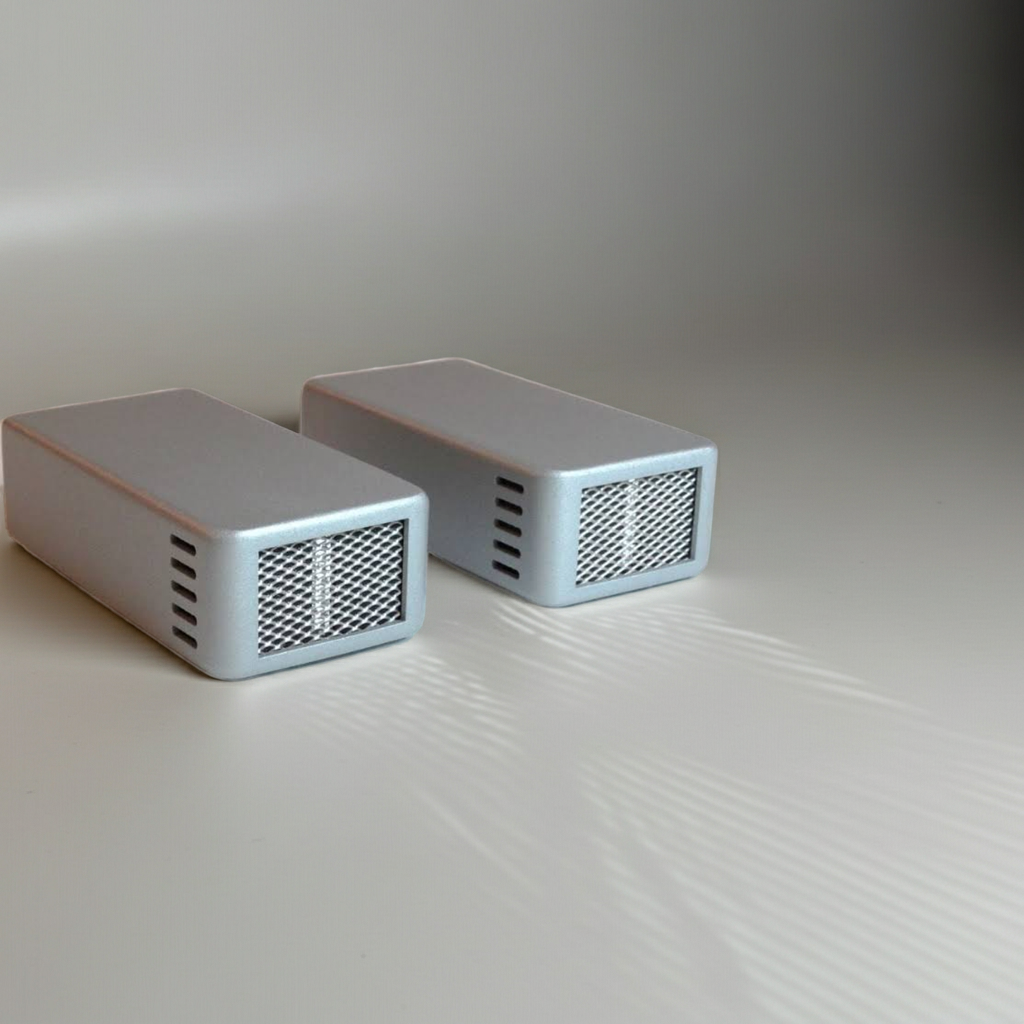
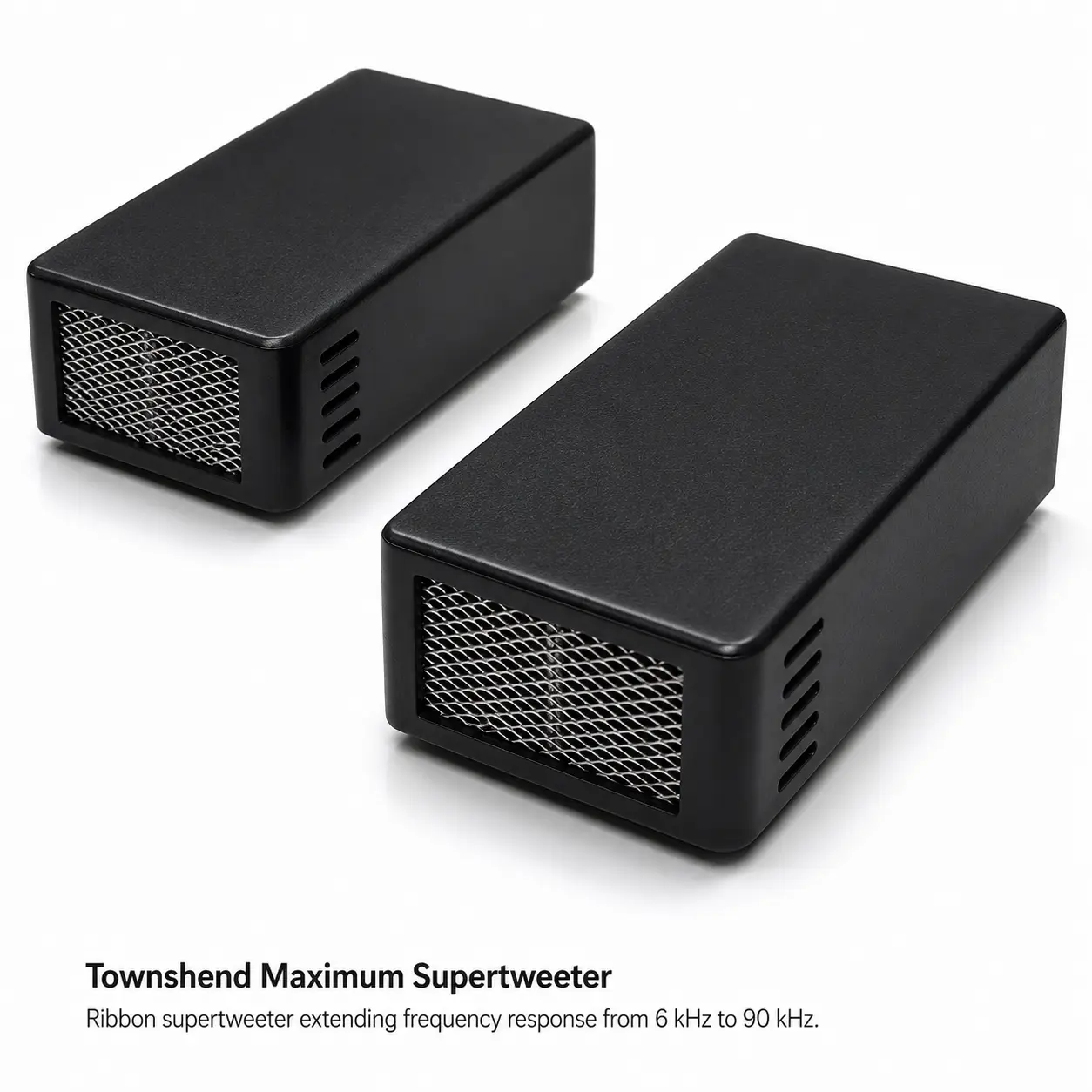
Maximum Supertweeters
£1,265.00
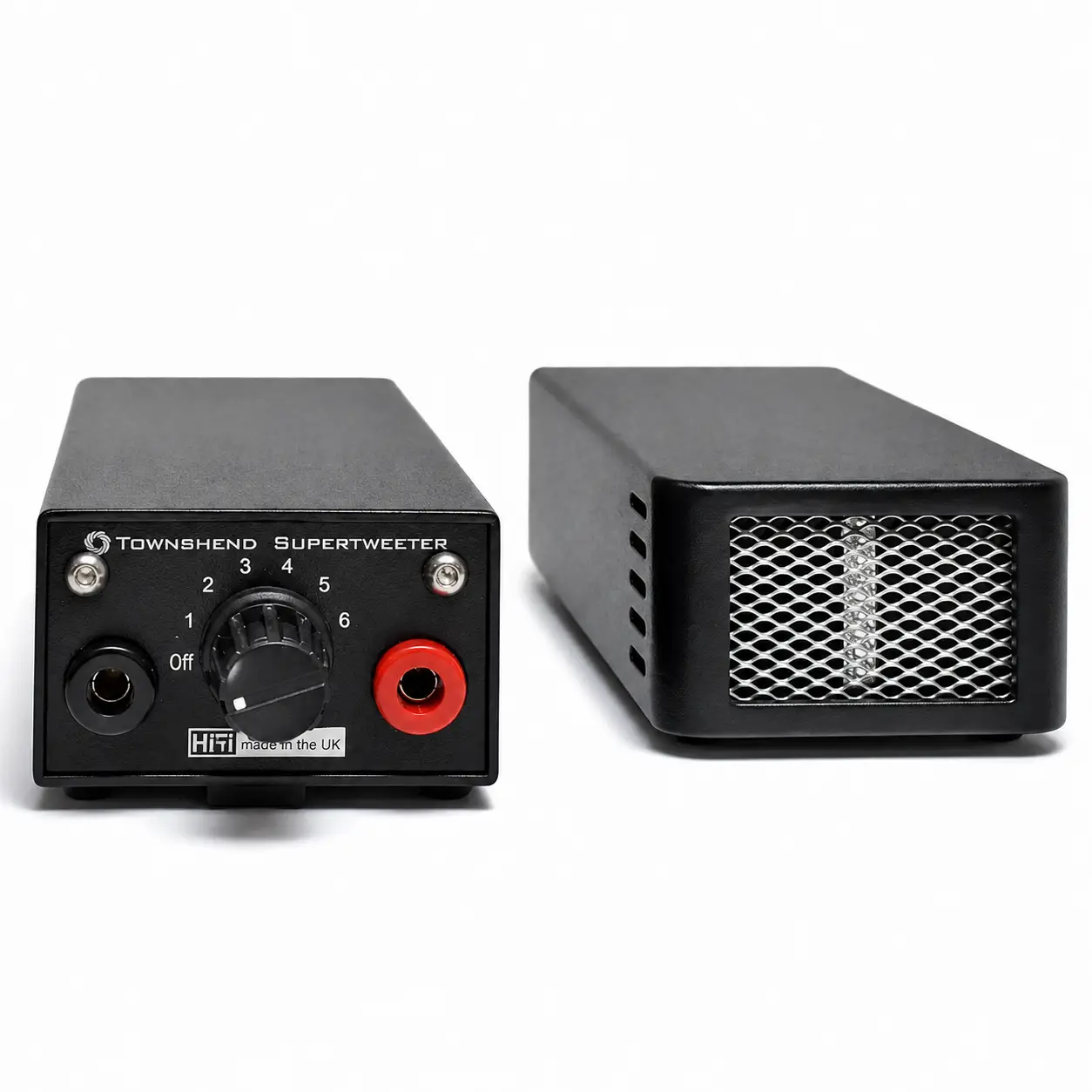
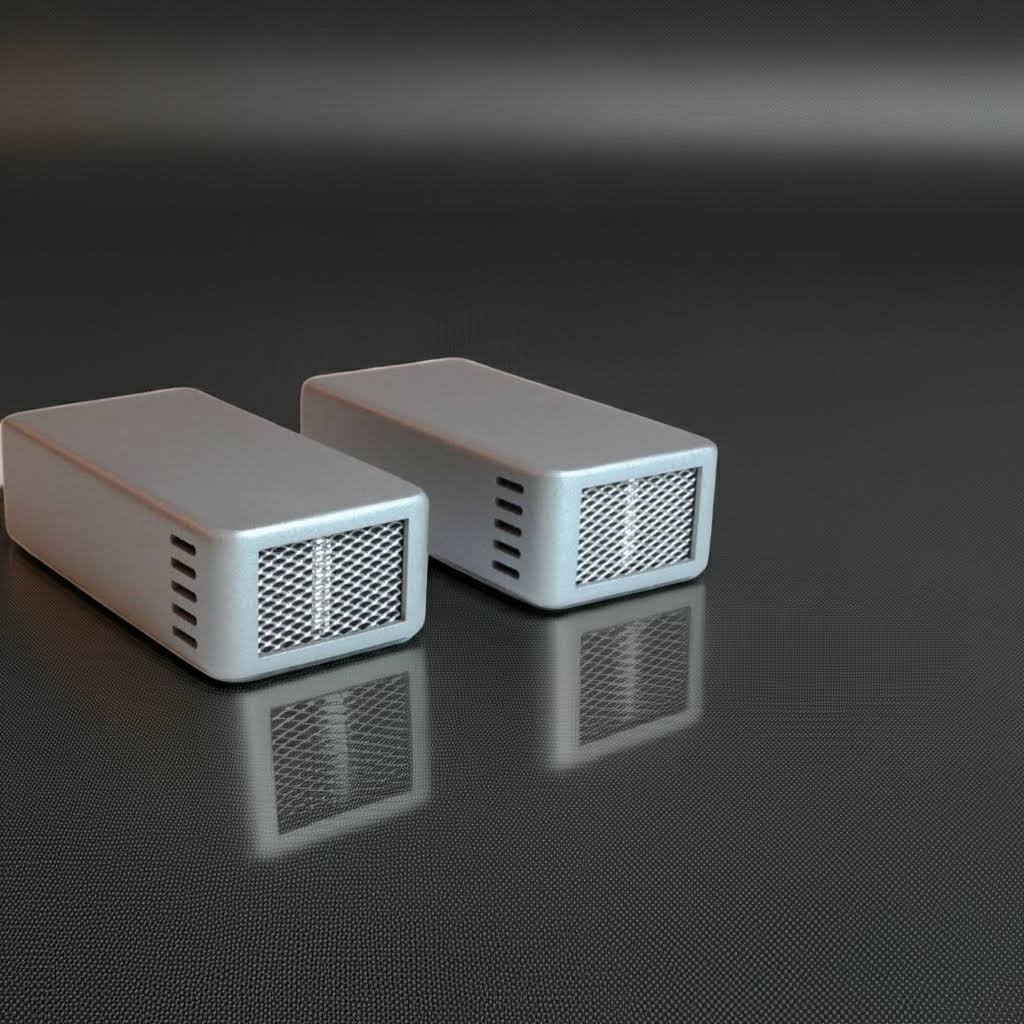
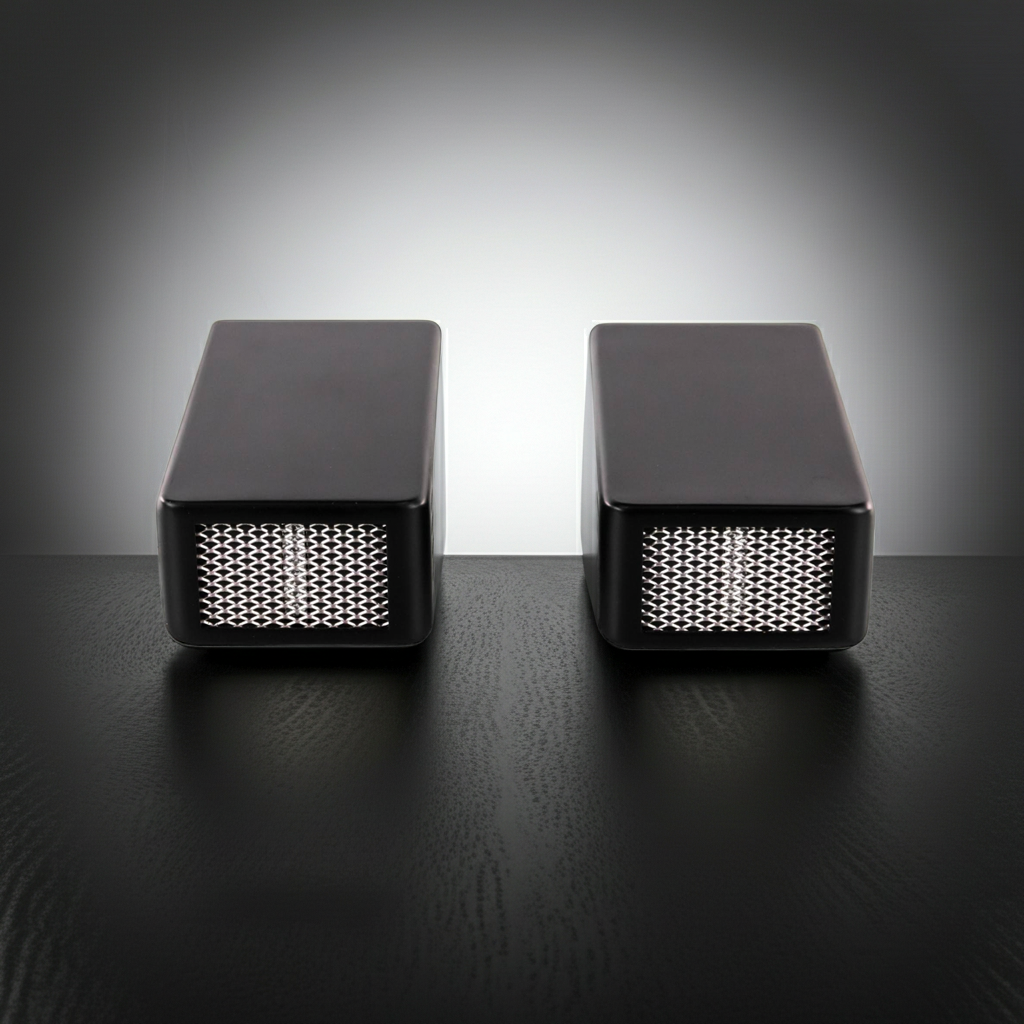
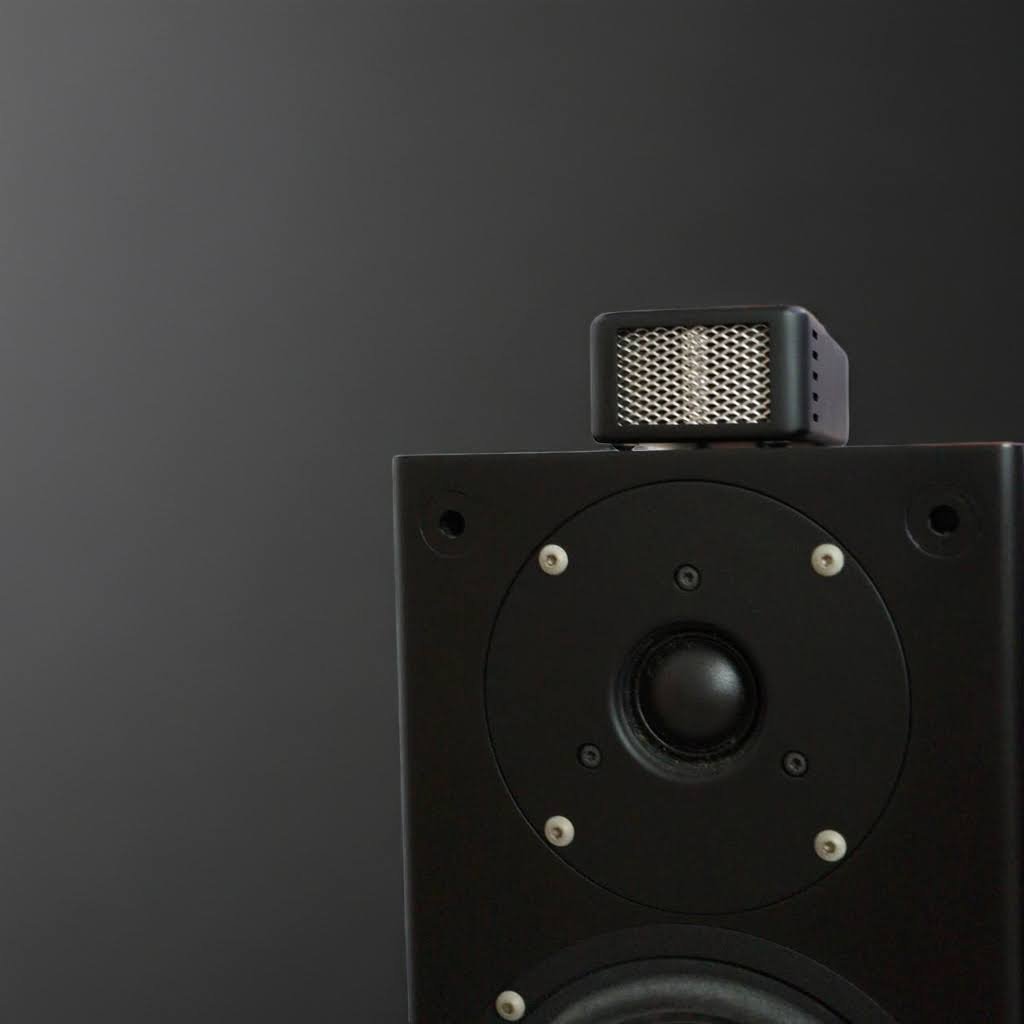
The Townshend Maximum Supertweeter extends your loudspeaker’s high-frequency response from 6 kHz to 90 kHz using an ultra-light, fast-response ribbon. Designed to preserve transient timing and harmonic information rather than simply add treble, it can reveal greater openness, spatial definition, clarity and musical realism. Six-level adjustment allows seamless integration with a wide range of loudspeakers.
Description
Townshend Maximum Supertweeter
The Townshend Maximum Supertweeter is designed to extend the high-frequency response of a loudspeaker system far beyond the conventional audible range.
But that does not mean its purpose is simply to produce “more treble”.
The Maximum Supertweeter was developed around a more interesting question: how much of the timing, transient and harmonic information contained in music is lost when a loudspeaker’s bandwidth is limited?
You Don’t Listen to 90 kHz. You Listen to Music in Time.
Human hearing is commonly described as extending to approximately 20 kHz, with the upper limit reducing with age. This is normally established using continuous test tones.
Music is very different.
A cymbal strike, plucked string, piano hammer or trumpet note begins with an extremely rapid transient followed by a complex pattern of fundamentals, harmonics and reflections. Real musical events therefore contain information extending far beyond a simple sine-wave description of hearing.
The Maximum Supertweeter extends the loudspeaker system’s high-frequency response to approximately 90 kHz, with the aim of preserving more of this extremely fast musical information.
The objective is not to make the system brighter.
It is to help it behave more like the original musical event.
The Brain Listens to Timing
Our auditory system does considerably more than detect frequency. It is extraordinarily sensitive to when sounds arrive.
One fascinating example is the precedence effect.
When a sound reaches us directly and is followed moments later by reflections from the surrounding room, the brain does not necessarily perceive every arrival as a separate sound. Instead, the first-arriving sound strongly influences where we perceive the source to be, while later reflections contribute information about the surrounding acoustic space.
This ability is fundamental to the way we locate instruments and voices and perceive the size and character of real acoustic environments.
It demonstrates an important principle for high-fidelity reproduction:
Frequency tells us what is present. Timing helps the brain understand where and when it happened.
The precedence effect itself does not demonstrate that ultrasonic frequencies are consciously audible. What it does demonstrate is just how important very small timing differences are to human spatial hearing.
For Townshend, that makes transient behaviour and bandwidth particularly interesting.
Why a Fast Ribbon?
At the heart of the Maximum Supertweeter is an extremely lightweight aluminium ribbon operating within a powerful magnetic field.
Unlike a conventional dome tweeter, there is no separate voice coil attached to a heavier diaphragm. The ribbon itself forms the moving conductor.
Its exceptionally low moving mass allows it to accelerate and stop extremely quickly.
This matters because music does not consist of continuous tones. It consists of constantly changing events.
The strike of a cymbal, the initial bowing of a string and the leading edge of a piano note all contain rapid changes that help define the identity and position of the
- The Ear review
- The Audiophile Man review
- Dagogo review
- Positive Feedback review
- StereoNET discussion & owner experiences
Additional information
| Weight | 1.2 kg |
|---|---|
| Dimensions | 30 × 20 × 6 cm |
| Finish. | Satin Black, Matt Silver |
Related products
-
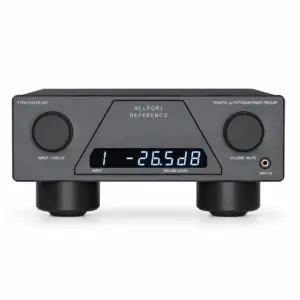
Allegri Reference
£11,489.00


Reviews
There are no reviews yet.